Make Up: The Font That Elevates Your Brand
The Power of a Strong Typeface in Branding
As a small business owner, you know that every detail matters. From your logo to your packaging, the visual elements you choose help shape how your brand is perceived. One often-overlooked element is typography. A well-chosen font can make your brand look more professional, consistent, and trustworthy—key factors in building customer loyalty.
What Is Make Up?
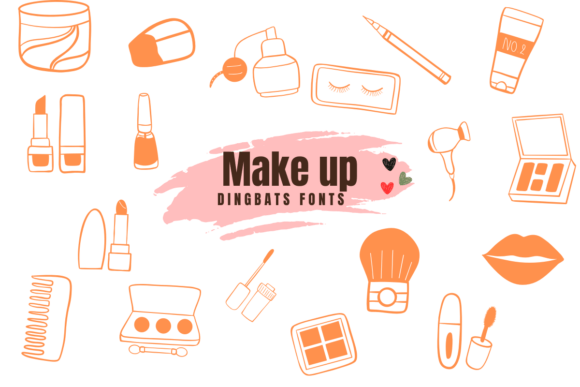
Make Up is a dingbats font with a sketch style that brings a unique personality to your creative projects. It’s not just another decorative typeface; it’s a versatile tool designed to enhance your branding efforts. With its playful yet refined look, Make Up adds character without overwhelming your design. Whether you're creating a logo, a social media graphic, or a product label, this font has the ability to elevate your message and make your brand stand out.
How Make Up Enhances Brand Consistency
Consistency is key in branding. When your customers see the same font across all your materials—whether it's your website, social media posts, or packaging—they begin to associate that look with your brand. Make Up helps you maintain this consistency by offering a single, cohesive typeface that can be used in various formats.
For example, if you run a boutique that sells handmade candles, using Make Up on your product labels creates a sense of craftsmanship and artistry. This font can also be used for your website headers, giving your online presence a polished and inviting feel. By keeping your font choices aligned, you reinforce your brand identity and make it easier for customers to recognize and remember you.
Real-World Applications of Make Up
Make Up is incredibly versatile and can be used in a wide range of applications. Here are some practical examples:
- Logos: Use Make Up as a headline or accent font in your logo to add a touch of creativity and personality.
- Business Cards: Pair Make Up with a clean sans serif font for a balanced and professional look.
- Product Labels: Apply Make Up to your handmade product labels to reflect a personal and artistic brand.
- Menu Design: Incorporate Make Up into your café menu to create an inviting and visually appealing layout.
- Social Media Graphics: Use Make Up for Instagram posts, Pinterest graphics, or Facebook banners to catch attention and build brand recognition.
- Website Banners: Make Up works well as a display font for website banners, adding visual interest without sacrificing readability.
- Digital Ads: Utilize Make Up in your digital ads to create a memorable and eye-catching design.
When to Use Make Up as a Display or Accent Font
Make Up is best used as a display or accent font rather than a body text font. Its sketch style makes it ideal for headlines, logos, and other prominent elements where a bit of flair is needed. However, it’s important to pair it with a readable sans serif or serif font for body text to ensure clarity and professionalism.
For instance, a coaching business might use Make Up for their logo and headlines while pairing it with a clean, modern sans serif font for their website content. This combination ensures that the brand remains both stylish and easy to read.
Testing Before Full Implementation
Before applying Make Up across your entire brand, it’s wise to test it in different contexts. Consider how it looks on small labels, mobile screens, and printed packaging. A font that looks great on a large banner may not be as effective on a tiny product tag. Testing helps you identify any potential issues and ensures that your typography works well in real-world scenarios.
Font Pairing Tips for Better Branding
Pairing fonts effectively can take your design to the next level. Here are a few tips for combining Make Up with other typefaces:
- Pair with a Clean Sans Serif: Combine Make Up with a simple sans serif font like Helvetica or Montserrat for a balanced and professional look.
- Use a Serif Font for Body Text: If you’re using Make Up as a headline, pair it with a serif font like Georgia or Times New Roman for body text to improve readability.
- Keep It Simple: Avoid overcomplicating your design by using too many fonts. Stick to two or three fonts at most to maintain a cohesive brand identity.
Commercial Font Licensing: A Must-Know
Before using Make Up on products, packaging, templates, or client work, always check the commercial font licensing terms. Some fonts are free for personal use but require a license for commercial purposes. Ensuring proper licensing protects your business and avoids legal issues down the line.
By understanding and respecting font licensing, you can confidently use Make Up in all your branding efforts without worrying about copyright concerns.
Final Thoughts on Using Make Up for Your Business
Make Up is more than just a font—it’s a powerful branding tool that can help you create a consistent, professional, and memorable brand. Whether you're running a boutique, a café, or an online shop, this font offers the versatility and style needed to elevate your visual identity. With the right pairing and application, Make Up can become an essential part of your design toolkit, helping you connect with your audience in a meaningful way.